- Cars
- MY2022–2027
Most Fuel-Efficient Gas-Only Cars
The most efficient 2026 gas-only car is the Honda Civic (4Dr · 2.0 L · FWD) at 36 MPG combined, 12 MPG above the median gas-only car (24 MPG) among the 68 gas-only cars ranked. The Honda Civic costs about $1,810 a year to fuel, $1,460 less than the median gas-only car ($3,270).
The leader went from 39 MPG in MY2022 (Mitsubishi Mirage) to 36 MPG in MY2026 (Honda Civic); the top-10 median went from 35.5 MPG to 33 MPG.
Partial model year: 35 MY2027 models rated as of Sep 29, 2026. This ranking will change as EPA adds more. MY2027 is still partial: see the 2027 ranking
Best combined
36MPG
Honda Civic · 2026
Median model
24MPG
2026
Models ranked
68
2026
Model years covered
6
MY2022–2027
Top 10 for 2026
| 1 |  | 36 | 32 | 41 | $1,810 | +12 |
| 2 |  | 35 | 32 | 41 | $1,870 | +11 |
| 2 | 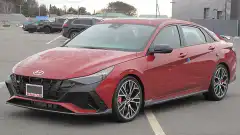 | 35 | 31 | 40 | $1,880 | +11 |
| 4 |  | 34 | 29 | 40 | $1,950 | +10 |
| 5 |  | 33 | 30 | 38 | $1,960 | +9 |
| 5 |  | 33 | 29 | 39 | $1,980 | +9 |
| 7 |  | 32 | 29 | 37 | $2,040 | +8 |
| 7 |  | 32 | 28 | 38 | $2,060 | +8 |
| 7 |  | 32 | 29 | 37 | $2,510 | +8 |
| 7 |  | 32 | 28 | 39 | $2,510 | +8 |
Year by year: leader and top-10 median
The leader of each model year and the median of that year's top 10, both computed from the same rows as the yearly rankings. The leader's name opens that year's full ranking.
| 2027 | Toyota Corolla partial year | 35 | 31 | 35 |
| 2026 | 36 | 33 | 68 | |
| 2025 | 36 | 34 | 76 | |
| 2024 | 39 | 34.5 | 90 | |
| 2023 | 39 | 35 | 111 | |
| 2022 | 39 | 35.5 | 125 |
Open a model year
How this list is built
Every line below is read from the list definition that produced the table.
- Classes: Small cars, Midsize cars, Large cars, Wagons, Two-seaters.
- Powertrains: Gas.
- Ranked by EPA combined MPG, highest first.
- One row per model (make and model): the configuration that ranks best in this list is shown, with its trim, engine and drive named in the row.
- Ties are decided on the displayed value (whole MPG or miles, kWh per 100 miles to one decimal, cost rounded to $10): tied models share a rank, then are ordered by a tie-breaker and by name.
- Special-purpose vehicles, such as heavy-duty variants, are excluded.
- Electric vehicles are ranked separately (see the EV rankings): gas, hybrid and diesel MPG is never mixed with MPGe.
- Annual cost assumes 15,000 miles a year at the EPA rating and the dated national fuel prices stamped below; it is rounded to $10 and all differences use the rounded values.
- Model years MY2022 to MY2027; a year is listed only when at least 10 models qualify.
Data and period
- EPA ratings: fueleconomy.gov file of Sep 29, 2026
- Prices: EIA regular gasoline, U.S. average, Sep 2026 ($4.36/gal); residential electricity, U.S. average, Jul 2026 (18.3¢/kWh)
- 15,000 miles a year, 55% city and 45% highway
Frequently asked questions
Which 2026 gas-only car (no hybrid) gets the best gas mileage?
The most efficient 2026 gas-only car is the Honda Civic (4Dr · 2.0 L · FWD) at 36 MPG combined, 12 MPG above the median gas-only car (24 MPG) among the 68 gas-only cars ranked. The Honda Civic costs about $1,810 a year to fuel, $1,460 less than the median gas-only car ($3,270).
Which model years does this ranking cover?
MY2022 to MY2027. A year gets its own page only when at least 10 models qualify, so the pages cover 6 model years.
Which model year does the top 10 above show?
MY2026, the latest complete model year. MY2027 is still being rated by EPA and is listed as a partial year.
How are ties, trims and drivetrains handled?
Each model appears once, with the configuration that ranks best in this list; its trim, engine and drive are named in the row. Models with the same displayed value share a rank (1, 2, 2, 4) and are then ordered by a tie-breaker and by name. See the methodology.
Are electric cars and plug-in hybrids included?
Not in this list. MPG rankings cover gas, hybrid and diesel models only. Electric cars are ranked in EV range and EV efficiency, and plug-in hybrids in electric range.
What does combined MPG mean?
EPA's combined rating blends 55% city and 45% highway driving. It comes from standardized laboratory tests, so your results will differ with driving style, weather and load. See the methodology.