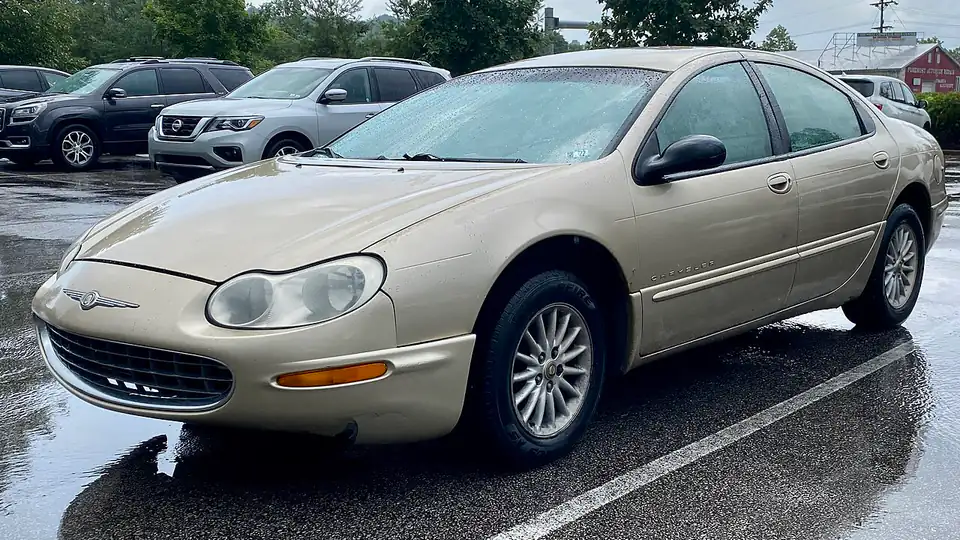
- Gas
- Large cars
- MY2003–2004
Chrysler Concorde/LHS MPG & Fuel Cost by Year
2 model years · 2003–2004
15,000 mi/yr · regular gasoline $4.36/gal (U.S. average, Sep 2026)
Chrysler Concorde/LHS fuel economy at a glance
EPA has rated the Chrysler Concorde/LHS for 2 model years, 2003 to 2004. Across those years its combined rating runs 20–22 MPG. The latest model year, 2004, has 2 configurations rated 20–22 MPG combined and costing $2,970–$3,270 a year to fuel at regular gasoline $4.36/gal (U.S. average, Sep 2026). The most efficient configuration on record since 2003 is the 2004 Concorde/LHS 2.7L 6-cyl FWD, at 22 MPG.
Chrysler Concorde/LHS MPG by year
| Year | Gas (MPG) | $/yr |
|---|---|---|
| 2003-2004 (2nd gen) Generation page | ||
| 2004 | 20–22 | $2,970–$3,270 |
| 2003 | 20–22 | $2,970–$3,270 |
Costs use the current EIA price set and 15,000 miles a year for every year, so years are comparable. Green marks the best year for each powertrain.
Chrysler Concorde/LHS generations
1 generations between 2003 and 2004. Open one for the table of every model year and configuration.
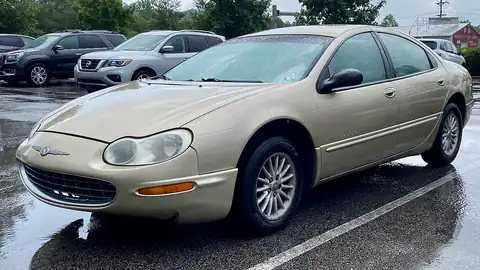
2004 powertrain options
More Chrysler models



Frequently asked questions
What is the Chrysler Concorde/LHS's gas mileage by year?
EPA combined ratings for the Chrysler Concorde/LHS run 20–22 MPG across model years 2003 to 2004. The latest year, 2004, is rated 20–22 MPG.
Which Chrysler Concorde/LHS model year has the best gas mileage?
The 2004 Chrysler Concorde/LHS Concorde/LHS 2.7L 6-cyl FWD has the highest combined rating since 2003, at 22 MPG.
How much does a Chrysler Concorde/LHS cost to fuel per year?
For MY2004, EPA-rated configurations cost $2,970–$3,270 a year to fuel, driving 15,000 miles at regular gasoline $4.36/gal (U.S. average, Sep 2026). The most efficient one costs $2,970.
Has the Chrysler Concorde/LHS's fuel economy improved over time?
Not much. The most efficient configuration is rated 22 MPG in both 2003 and 2004.
Which Chrysler Concorde/LHS model years have the same ratings?
EPA lists identical ratings as the previous year for 2004. The generation pages mark those years "same EPA ratings" and point to the year that holds the full table.